

Family Killers: Patterns, Profiles, Risk Factors, and Consequences

The neighbours say the same thing every time. They seemed fine. They seemed like the happiest family on the street. Then you look at what was happening inside the house, and the signs were there, and often some of them were already in someone’s notes.
Familial homicide is rare, and it almost never arrives without warning. Jerrod Brown’s case is that the risk factors carrying the most weight are not exotic. They are things that turn up in ordinary caseloads and get recorded without being weighted properly: a previous non-fatal strangulation, stalking inside an existing relationship, coercive and economic control, a separation or a custody dispute, sudden financial loss, access to weapons. The clinical work is knowing which of those raise risk, and by how much.
Three hours across the forms familial homicide takes and what distinguishes them, since motive and risk profile differ between an intimate partner homicide, a filicide and a family annihilator case. Brown covers the risk factors and warning signs in detail, the screening and lethality assessment approaches used internationally, the barriers that stop a survivor disclosing, and prevention and intervention work that a clinician can actually deliver. He is also clear about what the evidence does not support, including the assumption that mental illness is the driver in these cases.
You’ll walk away with
- The risk factors that carry the most weight in the literature, including previous non-fatal strangulation, stalking within the relationship, threats, weapon access and coercive control
- An understanding of why separation, custody proceedings and sudden financial loss are periods of raised risk rather than resolution
- Coercive control described concretely enough to recognise in a first session, including economic abuse, employment sabotage, monitoring and social isolation
- The main typologies and what separates them, since the risk profile and the intervention differ between them
- Named lethality and danger assessment approaches, who is trained to use them, and how they fit alongside clinical judgement
- A realistic view of the barriers that stop someone disclosing, including financial dependence, victim blaming and self-blame
- The physical consequences a strangulation survivor may not connect to the event, and why medical review matters even with no visible injury
- A grounded position on mental illness in these cases, which is not the risk factor it is widely assumed to be
- A short screening tool for head injury, useful with survivors and perpetrators alike, and what a positive result should prompt
- Prevention and intervention work available to you in ordinary practice, from trauma-informed and attachment-based approaches to targeting sleep, rumination and the stress response
Watch the course trailer
CPD Information For Mental Health Professionals
Enjoy complete flexibility with 100% self-paced learning you can access anytime, anywhere, and on any device. This course is included with your Tatra Training membership, along with every other course in the library.
Course Duration: 3 learning hours
Certificate and CPD hours: On completion you’ll receive a Certificate of Completion to support your CPD records. Your certificates are yours to keep.
Assessment: Complete a short quiz at the end (80% pass mark), which you can resit as many times as needed.
Revisit Anytime: Come back to the course as often as you like while your membership is active, whenever you want a refresher for practice.
CPD Eligibility: This program may be suitable for CPD for professionals such as:
- Psychologists
- Counsellors and Psychotherapists
- Social Workers
- Community Workers
- Mental Health Nurses
- General Practitioners (GPs)
- Occupational Therapists
CPD requirements vary between professional bodies, so please check with your association or credentialing body to confirm you can claim CPD hours/OPD points for this program and what evidence they require.
Course Content
Meet Your Instructor
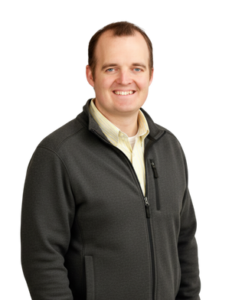
Complex forensic cases involving neurodivergent individuals, traumatic brain injuries, or fetal alcohol spectrum disorders often leave practitioners feeling overwhelmed by the intersection of mental health, neuroscience, and criminal justice issues. Jerrod Brown has spent his career developing expertise at these critical intersections, becoming one of the few professionals who can navigate the complex interplay between brain-based conditions, trauma, and forensic presentations with both scientific rigor and practical application.
As Assistant Professor and Program Director of Forensic Behavioral Health at Concordia University, and Founder/CEO of the American Institute for the Advancement of Forensic Studies (AIAFS), Dr. Brown represents a unique integration of academic excellence and real-world forensic expertise. His extraordinary educational background - including four separate master's degrees, a Ph.D. in Psychology, and over a dozen specialised certifications ranging from Certified Functional Nutrition Counselor to Certified Neurodiversity Professional - demonstrates his commitment to understanding human behavior from multiple scientific perspectives. His co-editorship of Forensic Mental Health: A Source Guide for Professionals and role as Editor-in-Chief of Forensic Scholars Today reflect his leadership in advancing the field.
Dr. Brown's expertise spans forensic behavioral health, autism spectrum disorders, fetal alcohol spectrum disorders, traumatic brain injury, neurocriminology, confabulation and suggestibility, trauma and resilience, and applied clinical nutrition. His approach recognises that many forensic presentations involve complex interactions between neurological conditions, trauma histories, and environmental factors that traditional psychological assessments miss. He specialises in cases where standard forensic evaluations fail to capture the full picture, particularly involving individuals with developmental disabilities, brain injuries, or conditions that affect memory and decision-making capacity.
What sets his training apart is interdisciplinary depth combined with practical application. Brown doesn't just teach from one theoretical perspective - he shows practitioners how neurological, nutritional, sleep, and trauma factors interact to create the complex presentations they encounter in forensic settings. His over 300 workshops and webinars demonstrate his exceptional ability to translate complex neuroscience into immediately applicable assessment and intervention strategies.
For your practice, expect to gain specialised knowledge in forensic neuropsychology, tools for assessing neurodivergent individuals in legal contexts, and frameworks for understanding how brain-based conditions affect criminal responsibility and treatment planning. His approach particularly benefits forensic psychologists, criminal justice professionals, or clinicians working with intellectually disabled or brain-injured populations.
Quick Win: Brown's "neurocriminology assessment framework" helps practitioners quickly identify when criminal behavior may be influenced by undiagnosed neurological conditions - often revealing mitigating factors that completely change case conceptualisation and intervention strategies.
Qualifications
- Ph.D., Psychology, Northcentral University, Scottsdale, AZ
- M.A., Counseling, Adler Graduate School, Richfield, MN
- M.S., Criminal Justice, St. Cloud State University, St. Cloud, MN
- M.S., Special Studies in Forensic Studies, St. Cloud State University
- M.S., Special Studies in Cognitive Disorders, St. Cloud State University
- B.E.S., Applied Psychology and Psychology, St. Cloud State University
- Currently pursuing 5th M.S., Applied Clinical Nutrition, Northeast College of Health Sciences
Advanced Certifications & Certificates
- Post-Doctoral Certificate, Leadership and Organisational Strategy, Walden University, 2021
- Professional Certificate, Forensic Psychology, San Diego State University Global Campus, 2021
- Graduate Certificate, Neuroscience and Law, Michigan State University, current
- Graduate Certificates: Autism Spectrum Disorders, Other Health Disabilities, Traumatic Brain Injury (Hamline University)
- Graduate Certificates: Neuropsychology, Medical Biochemistry, Exercise Prescription, Dyslexia
- Diabetes Care and Education Certificate, Central Arizona College, 2023
Specialised Certifications
- Certified Functional Nutrition Counselor (CFNC)
- Certified Neurodiversity Professional
- Certified Kid's Nutrition Specialist
- Tobacco Treatment Specialist (Mayo Clinic)
- Brain Health Coach
- Certified Digestive Health Specialist
- Gut Health Specialist
- Certified Sleep Science Coach
- Integrative Adult Sleep Coach
- Holistic Health Coach
- Stress and Mindset Coach
Leadership & Teaching
- Assistant Professor & Program Director, Forensic Behavioral Health and Trauma, Resilience, and Self Care Strategies, Concordia University, St. Paul, MN
- Founder & CEO, American Institute for the Advancement of Forensic Studies (AIAFS)
- Editor-in-Chief, Forensic Scholars Today (FST)
- Faculty, Walden University
- Presenter, CONCEPT Professional Training, Palo Alto University
Training & Speaking
- Over 300 workshops, webinars, and on-demand trainings conducted
- National and international speaking engagements
- Professional and student audience presentations
- Conference presentations at various organisations
Clinical Specialties
- Forensic assessments involving neurodevelopmental conditions
- Autism spectrum disorder in forensic contexts
- Fetal alcohol spectrum disorder and criminal justice implications
- Traumatic brain injury and competency evaluations
- Confabulation and suggestibility in legal proceedings
- Miranda rights comprehension issues
- Youth firesetting assessment and intervention
- Criminal recidivism risk factors and prevention
Ready to develop expertise in the complex intersection of neuroscience, mental health, and criminal justice? Discover how Dr. Brown's interdisciplinary approach can enhance your ability to conduct comprehensive forensic assessments and provide effective interventions for the most challenging cases.
Feedback & Reviews
This course includes:
- Lessons 4
- Topics 0
- Duration 3 hours
- Quizzes 1
- Language English