

Self-Regulation: Strategies and Interventions for Children


A child is dysregulated and the adult in the room starts talking. Explaining, reasoning, negotiating, sometimes lecturing. It is everybody’s first instinct and it is the wrong one, because when the limbic system has taken over, the part of the brain that processes those words is not available to hear them. Katrina Jones describes unlearning that as a habit reversal for adults, which is a fair way to put it.
She is a licensed clinical marriage and family therapist and a registered play therapist with her own practice in rural Kansas, working mostly with children aged three to twelve. She is unusually clear about her own training: her graduate programme taught the autonomic nervous system properly and many do not, so she teaches it from the ground up here on the assumption that you may never have had it.
The first part is the nervous system and the brain: the autonomic nervous system, the limbic system and the amygdala, and what actually happens to a child’s capacity to think when they are triggered. From there to what that means for intervention, including a bottom-up sequence, the role of co-regulation by a caregiver or teacher, and why an intervention that suits one child can retraumatise another. Then the practical half, which is the bulk of it: more than fifteen interventions, sorted by age band from infants and toddlers through preschool and primary school to adolescents. Many are play-based, most need nothing you cannot make from cardstock, and she asks you to try them rather than watch. She works throughout with the reality of school settings, which is where a lot of her audience is.
You’ll walk away with
- Why words fail with a dysregulated child, and what to do before you reach for them
- The autonomic nervous system and the limbic system, taught from the ground up
- What happens to a child’s thinking brain when the limbic system takes over
- Common causes of dysregulation in children and teenagers, and what each implies for treatment
- Co-regulation: the caregiver’s and teacher’s part in it, and how to teach them their role
- A bottom-up sequence, so interventions land in an order the nervous system can use
- Three or more strategies for infants and toddlers
- Five or more for preschool-age children
- Five or more for primary-school children
- Three or more for adolescents and teenagers
- Rhythm-based and play-based activities you can make yourself and send home with a family
- Matching interventions to diagnosis, including what to avoid with a child who has a trauma history
- Applying all of it in schools and classrooms as well as in a therapy room
Watch the course trailer
CPD Information For Mental Health Professionals
Enjoy complete flexibility with 100% self-paced learning you can access anytime, anywhere, and on any device. This course is included with your Tatra Training membership, along with every other course in the library.
Format: Katrina Jones asks you to take part in the techniques as she teaches them, so give yourself space to do that rather than only watching.
Who it’s for: therapists, school counsellors, teachers and anyone working with dysregulated children. No background in neuroscience is assumed.
Course Duration: 5.5 learning hours
Certificate and CPD hours: On completion you’ll receive a Certificate of Completion to support your CPD records. Your certificates are yours to keep.
Assessment: Complete a short quiz at the end (80% pass mark), which you can resit as many times as needed.
Revisit Anytime: Come back to the course as often as you like while your membership is active, whenever you want a refresher for practice.
CPD Eligibility: This program may be suitable for CPD for professionals such as:
- Psychologists
- Counsellors and Psychotherapists
- Social Workers
- Community Workers
- Mental Health Nurses
- General Practitioners (GPs)
- Occupational Therapists
CPD requirements vary between professional bodies, so please check with your association or credentialing body to confirm you can claim CPD hours/OPD points for this program and what evidence they require.
Course Content
Meet Your Instructor
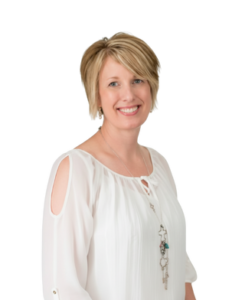
Children struggling with emotional dysregulation, behavioural challenges, and trauma symptoms - and families navigating complex dynamics that traditional therapy approaches haven't resolved - need practitioners who understand how play becomes the language through which healing occurs. Katrina Jones has dedicated over 11 years to mastering the integration of play therapy with family systems work, becoming a recognised expert in helping children develop self-regulation skills while strengthening the family bonds that support their growth.
As Owner of Hope for Healing, LLC in Beloit, Kansas, Jones brings specialised expertise in translating complex therapeutic concepts into playful, engaging interventions that create real change. Her dual credentials as both a Licensed Clinical Marriage & Family Therapist and Registered Play Therapist demonstrate her unique ability to work simultaneously with children's developmental needs and family system dynamics. Her recognition as an international trainer reflects her exceptional skill in teaching other professionals how to use play therapeutically while maintaining strong family connections.
Jones's expertise spans marriage and family therapy, play therapy, self-regulation strategies for children, attachment-based interventions, trauma therapy, anxiety and depression treatment, and behavioural interventions. Her approach recognises that children's symptoms often reflect family system imbalances and that lasting change requires working with both the child's individual needs and the family relationships that shape their world. She specialises in helping children ages 3-12 develop emotional regulation skills, working with families affected by trauma, and providing attachment-based interventions that strengthen parent-child bonds.
What sets her training apart is developmental sensitivity combined with family systems expertise. Jones doesn't just teach play therapy techniques - she shows practitioners how to use play as a bridge between individual healing and family transformation. Her emphasis on communication with parents and inclusion of family sessions demonstrates her understanding that children heal within relationships, not in isolation from them.
For your practice, expect to gain specific play therapy techniques for different developmental stages, tools for integrating family members into treatment, and frameworks for helping children develop self-regulation skills through play-based interventions. Her approach particularly benefits clinicians working with young children, those wanting to integrate play therapy with family work, or practitioners seeking attachment-based treatment strategies.
Quick Win: Jones's "regulation station" play technique helps children quickly identify and practice different self-regulation strategies through engaging play activities - often providing tools they can use at home while building longer-term emotional resilience.
Qualifications
- MS, Marriage and Family Therapy
- BS, Psychology, University of Oregon
- Licensed Clinical Marriage & Family Therapist (LCMFT), Kansas
- Registered Play Therapist (RPT), Association for Play Therapy
- Over 11 years clinical experience across all ages
Professional Experience
- Owner, Hope for Healing, LLC, Private Practice, Beloit, Kansas, current
- Various clinical positions providing therapy to children, adolescents, adults, couples, and families
Training & Teaching
- Professional training workshops on self-regulation strategies and interventions for children
- Educational workshops for clinicians working with children and families
- Specialised training in trauma-informed play therapy techniques
Clinical Specialties
- Play therapy for children ages 3-12
- Self-regulation strategies and interventions for children
- Marriage and family therapy
- Attachment-based interventions and trauma therapy
- Anxiety and depression treatment in children and families
- Behavioral interventions and family systems therapy
- Parent-child relationship strengthening
- Trauma-informed play therapy approaches
- Parent-child relationship concerns and family dynamics
Service Philosophy
- Belief in essential communication with parents/guardians at each session
- Integration of family sessions as part of treatment approach
- Comfortable incorporating faith/Christianity when important to families
- Focus on strengthening family relationships while addressing individual needs
Ready to transform how you work with children and families through the power of play? Discover how Katrina Jones's integrated play therapy and family systems methods can help you create lasting change by honoring both children's developmental needs and the family relationships that support their healing.
Feedback & Reviews
This course includes:
- Lessons 2
- Topics 5
- Duration 5.5 hours
- Quizzes 1
- Language English