

Complicated Spiritual Grief
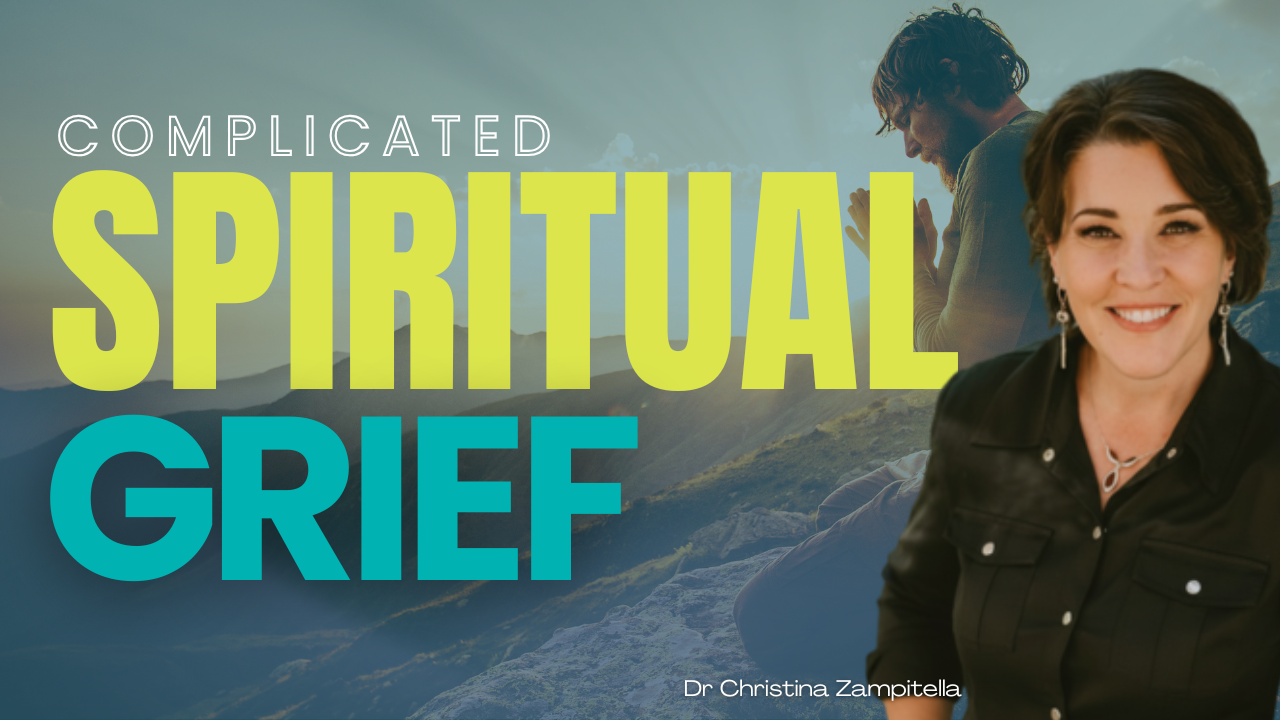
The client’s faith was supposed to be the thing that carried them through this. For some of them it does. For others it goes at the same time, or the community that was meant to hold them turns out not to, and they are left with a second loss sitting on top of the first one.
Christina Zampitella’s argument is that this territory gets avoided. Clinicians are often uncomfortable asking about religion and spirituality, and a client reads that quickly and stops raising it, which removes a large part of how they are trying to rebuild who they are. It also gets missed because the assumption is that a spiritual crisis requires a religious client, and it does not. The search for meaning after a loss is the same problem whether or not there is a higher power in it.
Ninety minutes working through what complicated spiritual grief is and how it differs from ordinary questioning, the distinction between religion and spirituality, negative religious coping and what it sounds like in session, the measures available including one in the public domain, and the interventions. Zampitella is also clear about the limits of the research, which is drawn largely from Christian samples and does not yet say much about anyone else.
You’ll walk away with
- A working distinction between religion and spirituality, and the reason a client with no religious belief at all can still be in a spiritual crisis
- The ability to recognise negative religious coping: the client who has concluded the death was a punishment, or that they have been abandoned
- A free, publicly available inventory for complicated spiritual grief, plus two further measures for spiritual distress
- Questions that open this territory in assessment without imposing your own position on a client
- A way to work with a client whose faith community became the second injury, through judgment, ostracism or a funeral that was refused
- The link between complicated spiritual grief and prolonged grief disorder, and why an unresolved spiritual crisis stalls meaning-making
- Therapeutic rituals for the losses that come with none prescribed, including miscarriage, ambiguous loss and the death of a pet
- An honest account of where the evidence currently stops, so you are not applying findings from one tradition to a client who belongs to another
Watch the course trailer
CPD Information For Mental Health Professionals
Enjoy complete flexibility with 100% self-paced learning you can access anytime, anywhere, and on any device. This course is included with your Tatra Training membership, along with every other course in the library.
Course Duration: 1.5 learning hours
Certificate and CPD hours: On completion you’ll receive a Certificate of Completion to support your CPD records. Your certificates are yours to keep.
Assessment: Complete a short quiz at the end (80% pass mark), which you can resit as many times as needed.
Revisit Anytime: Come back to the course as often as you like while your membership is active, whenever you want a refresher for practice.
CPD Eligibility: This program may be suitable for CPD for professionals such as:
- Psychologists
- Counsellors and Psychotherapists
- Social Workers
- Community Workers
- Mental Health Nurses
- General Practitioners (GPs)
- Occupational Therapists
CPD requirements vary between professional bodies, so please check with your association or credentialing body to confirm you can claim CPD hours/OPD points for this program and what evidence they require.
Course Content
Meet Your Instructor
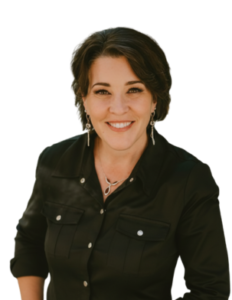
Grief and trauma that traditional therapy approaches struggle to address require clinicians who understand the unique landscape of loss. Christina Zampitella has devoted more than three decades to becoming one of the world's leading thanatologists - psychologists who specialise in death, loss, and bereavement - transforming how practitioners understand and treat complex grief.
As founder and director of the Center for Grief and Trauma Therapy in Delaware and host of the "Phoenix Rising with Dr. Z" podcast, Dr. Zampitella bridges clinical expertise with lived experience of loss. Her designation as Fellow of Thanatology by the Association for Death Education and Counseling, combined with her Outstanding Doctor of Clinical Psychology Award from California School of Professional Psychology, reflects her commitment to advancing grief therapy as a specialised field.
Dr. Zampitella's expertise spans thanatology, traumatology, EMDR, nature-based therapy, narrative psychotherapy, and meaning reconstruction approaches. Her work with diverse populations - across all cultural, gender, and religious backgrounds - gives her unique insights into how loss affects different communities. She integrates mind, body, and spirit approaches, showing clinicians how to honor clients' cultural backgrounds, spiritual beliefs, and individual grief expressions.
What sets her training apart is authentic understanding. Zampitella doesn't just teach grief theory - she shows practitioners how to sit with profound loss, recognise when grief becomes complicated, and differentiate grief symptoms from other mental health conditions. Her international speaking and training engagements, combined with her faculty role at the Portland Institute for Loss and Transition, demonstrate her dedication to mentoring emerging clinicians and advancing the field.
For your practice, expect to gain specific skills in assessing complicated versus uncomplicated grief, practical interventions for trauma-related loss, and tools for supporting clients through various types of bereavement. Her approach particularly benefits clinicians who want to specialise in grief work or feel unprepared to address loss in their current practice.
Qualifications
- PsyD, Clinical Psychology, Alliant International University (California School of Professional Psychology), 2005
- M.A., Clinical Psychology, Alliant International University
- M.A., Counseling Psychology, Immaculata University, PA
- B.A., Psychology, University of Delaware
- Fellow of Thanatology (FT), Association for Death Education and Counseling, 2010
- Licensed Clinical Psychologist: Delaware (#B1-0001010), California (#PSY20878)
- Grief Therapy as Meaning Reconstruction Certification
- Certified Grief Informed Professional (CGP)
- Mindfulness-Based Stress Reduction (MBSR) certified
- Certified in yoga nidra
- EMDR trained
Teaching & Roles
- Founder & Director, Center for Grief and Trauma Therapy, Wilmington, DE
- Host, "Phoenix Rising with Dr. Z" podcast
- Associate Professor, National University, CA
- Adjunct Professor, Goldey-Beacom College, DE
- Faculty member, Portland Institute for Loss and Transition
Speaking & Training
- International speaker and trainer in grief and trauma therapy
- ADEC (Association for Death Education and Counseling) conference presenter
- Professional training nationwide
Ready to develop specialised expertise in grief and trauma? Discover how Dr. Zampitella's thanatology-based methods can enhance your ability to support clients through their most difficult losses.
Feedback & Reviews
This course includes:
- Lessons 2
- Topics 0
- Duration 1.5 hours
- Quizzes 1
- Language English