

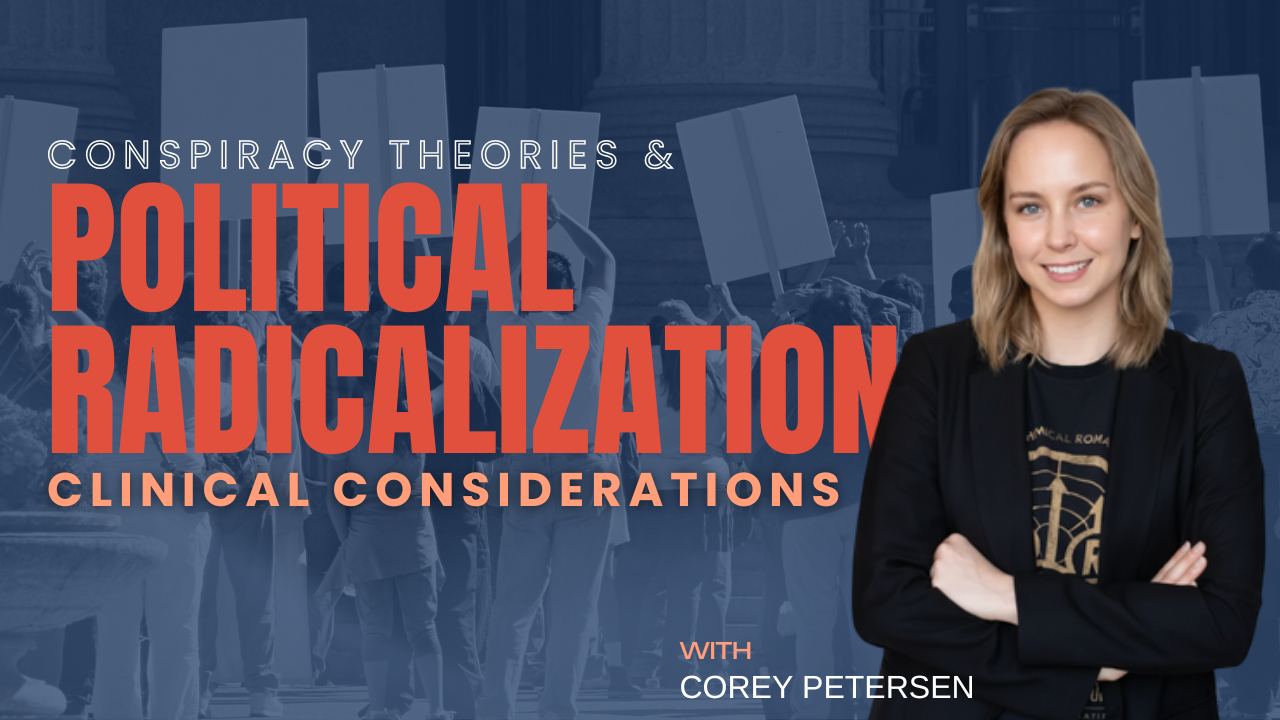
Conspiracy Theories & Political Radicalization: Clinical Considerations

- What psychological factors drive the belief in conspiracy theories?
- Why are some people susceptible?
- What are our ethical obligations as therapists in responding to these situations, especially if these beliefs cause our clients distress?
As conspiracy thinking has risen to the forefront of public discourse during the COVID-19 pandemic, many therapists find it difficult to manage these topics in therapy. The internet is awash in conspiracy theories. People sharing misinformation and disinformation find ways to spread what they understand as the truth. Numerous conspiracy theories about the virus and vaccine have spread widely and these beliefs have become so emotionally consuming that some people are talking about them in therapy.
Therapists and psychiatrists know that conspiracy beliefs aren’t a mental illness. At the same time, their clients and patients may obsessively focus on those ideas, neglecting work, sleep, or relationships. Conspiracy theories may prompt people to retreat from loved ones who don’t share their views, leading to disconnection and isolation. It is possible for conspiracy theory beliefs to prime clients “in such a way where they’re more susceptible to anxiety, and then because of the level of anxiety or paranoia it becomes debilitating” (Lipcomb, 2021). By better understanding the process of indoctrination or radicalization, we as therapists can learn to better serve the needs of our clients.
For many of us, this is murky territory. If we push someone to defend their beliefs, it could ruin the delicate trust that therapists forge with their clients. If we say nothing, we risk that we disconnect with the clients or that we make them complicit or anxious. Therapists encountering conspiracy theories in their practice have to develop their own approach.
Watch this seminar and improve your practical knowledge and confidence of understanding of how conspiracy and political radicalisation impacts individuals, their families, and engagement in therapy.
This course will cover:
- the real-world persuasive tactics used to influence public thought
- the step-by-step process of how institutions and individuals cultivate a cult-like following
- the ethical dilemmas for clinicians, and
- conversational strategies that clinicians can use to navigate these topics in session.
Add some spice to your current professional development sessions! Learn new things and become confident in handling complex and tricky topics in your therapy rooms!
Learning Objectives:
This training will provide participants clinical knowledge and tools to:
a). Describe the psychology of social radicalisation.
b). Understand the influence of political and social identities in the therapeutic context.
c). Identify harmful communication practices that threaten clinical growth in psychotherapy practice.
Target Audience:
The target audience for this event includes psychologists, social workers, counselors, MFT’s, and other clinical mental health professionals.
CPD Information For Mental Health Professionals
Enjoy complete flexibility with 100% self-paced learning you can access anytime, anywhere, and on any device. Pay once for lifetime access.
Course Duration: 3 learning hours
Certificate and CPD hours: On completion you’ll receive a Certificate of Completion to support your CPD records.
Assessment: Complete a short quiz at the end (80% pass mark), which you can resit as many times as needed.
Lifetime Access: Your access to the course does not expire, so you can revisit key concepts anytime you want a refresher for practice.
CPD Eligibility: This program may be suitable for CPD for professionals such as:
- Psychologists
- Counsellors and Psychotherapists
- Social Workers
- Community Workers
- Mental Health Nurses
- General Practitioners (GPs)
- Occupational Therapists
CPD requirements vary between professional bodies, so please check with your association or credentialing body to confirm you can claim CPD hours/OPD points for this program and what evidence they require.

Course Content
Meet Your Instructor
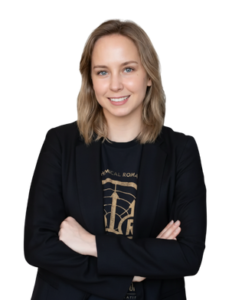
Communication breakdowns that destroy relationships - whether between couples, family members, or in therapeutic settings - often stem from deeper patterns that most practitioners miss. Corey Petersen brings a unique combination of advanced communication research and clinical expertise to help practitioners understand how language shapes therapeutic outcomes and relationship healing.
With a Ph.D. in Communication Studies from the University of Kansas and dual master's degrees in Professional Communication and Marriage and Family Studies, Dr. Petersen represents a rare fusion of academic rigor and clinical practice. His doctoral research on "Finding a Therapist That 'Speaks Your Language'" explores how therapists' communication patterns influence client engagement and treatment success - insights that directly inform his training for mental health professionals. His decade of teaching experience across communication and psychology courses gives him exceptional skill in translating complex concepts into practical applications.
Dr. Petersen's expertise spans couple and family therapy, neurodivergent-affirming approaches, chronic pain and illness, self-harm, anxiety, and cultural humility. His approach combines evidence-based therapeutic interventions with sophisticated understanding of how communication patterns either facilitate or hinder therapeutic progress. He specialises in helping clinicians recognise when their own communication style creates barriers to client connection and provides specific techniques for adapting language to match clients' communication preferences.
What sets his training apart is communication precision. Petersen doesn't just teach therapy techniques - he shows practitioners how the specific words, timing, and delivery of interventions can dramatically alter client responses. His research background gives him evidence-based insights into why certain therapeutic communications succeed while others fail, even with similar content.
For your practice, expect to gain specific skills in therapeutic communication, tools for working with neurodivergent clients, and frameworks for addressing chronic pain and medical challenges in therapy. His methods particularly benefit clinicians who want to improve their therapeutic presence or work more effectively with clients who have communication differences.
Quick Win: Petersen's "communication matching" technique teaches clinicians to identify clients' preferred communication patterns in the first session and adjust their therapeutic language accordingly - often doubling client engagement and treatment compliance.
Qualifications
- Ph.D., Communication Studies, University of Kansas, 2023
- M.S., Marriage and Family Studies, Friends University
- M.A., Professional Communication, Southern Utah University
- B.S., Psychology, Southern Utah University
- B.S., Strategic Communication, Southern Utah University
- Licensed Clinical Marriage & Family Therapist (Kansas)
- Clinical Hypnotherapist
- 10+ years teaching experience in Communication and Psychology
Teaching & Roles
- Owner, Communication and Connection Therapy, Overland Park, KS, 2013–present
- Doctoral Candidate & Graduate Instructor, University of Kansas, 2017–2022
- Academic Coach, Instructional Connections, LLC, 2015–2018
- Adjunct Teacher & Lecturer, Communication and Psychology courses (10 years)
Featured Training
- GoodTherapy webinars: "Ethical Considerations of Therapy Without a Presenting Problem" (2025)
- "Strengthening Relationships in the Face of Medical Challenges" (2024)
- "Navigating Blended Family Dynamics" (2024)
Specialised Expertise
- Communication theory applied to therapeutic practice
- Neurodivergent-affirming therapeutic approaches
- Chronic pain and illness in couple/family systems
- Self-harm assessment and intervention
- Cultural humility in therapeutic relationships
- Organisational communication principles in family therapy
Ready to transform how you communicate with clients? Discover how Dr. Petersen's research-backed communication methods can enhance your therapeutic effectiveness and deepen client connections across diverse populations.
Feedback & Reviews
This course includes:
- Lessons 4
- Topics 0
- Duration 3 hours
- Quizzes 1
- Language English