
Making Psychotherapy More Effective with Subconscious Process Work

- Become More Effective in Your Clinical Practice.
- Utilise Practical Steps to Make Quick Progress in Counselling.
- Help prevent Your Clients from Self-sabotaging Goals
Most of the time, the conscious goals we set up for ourselves are sabotaged by our subconscious processes. Imagine how much faster and more successful you would’ve been as a therapist if you helped your clients succeed in achieving goals by engaging both conscious and subconscious processes of the mind. This skill would benefit your client’s sense of achievement and improve their life almost immediately, no doubt. But if you learned how to engage sub-conscious mind processes, your organisation could benefit too. Your services would lead to achieving better client outcomes faster.
Although our cognitive processes are important and valuable to therapy and to daily life, it is the vast interplay of activity that occurs beneath the surface of consciousness that is doing the necessary preparatory work. Our subconscious mind is a place used by our self-preservation systems to hide many of those things that can do us harm. Our implicit world can be full of memories, emotional horrors, traumas, and deficits that are too much to deal with in the conscious space. Their effects are felt as emergent states that might include depression, anxiety, addictions, or social dysfunction. But, just like “I’m hungry,” these conscious “awarenesses,” or what we often call symptoms, are blunt expressions of something far more complex, detailed, and nuanced.
Watch this recording and learn how implementing such skills like prediction, or the powerful effects of suggestion, re-imagining, metaphors, incubated cognition, the power of self-promises, or emotional insight will significantly improve your effectiveness as a therapist, and will allow your clients to achieve goals.
This brand new course is based on Dr Dan Short’s newest book “Making Psychotherapy More Effective with Unconscious Process Work” to be published in July 2021. Dr Short is a top-ranked psychologist practitioner who has learned to view every problem as an opportunity. Dr Short has taken the lessons of 15 years of scholarly research and clinical problem solving and condensed them down into the essential mindsets and strategies. During this training opportunity, participants will learn:
- How to access the innate problem-solving capacities of the mind, which include intuition, deliberation, insight, conviction, and optimism. Without these essential mindsets, effective problem solving fails to develop.
- How to meaningfully select techniques based on an understanding of the function they serve. This strategic perspective enables the practitioner to catalyse different mindsets using a variety of concrete strategies.
- How to use statements and suggestions to build the mental framework needed to solve some immediate problem in a way that better prepares the individual for future problem solving.
Learning Objectives:
- Learn how to access the innate problem-solving capacities of the mind.
- Implement therapeutic strategies which include intuition, deliberation, insight, conviction, and optimism.
- Name five essential mindsets necessary for the effective problem solving to develop.
- Strategically catalyse different mindsets using a variety of concrete strategies.
- Learn how to use statements and suggestions to build the mental framework needed to solve some immediate problems in a way that better prepares the individual for future problem solving.
CPD Information For Mental Health Professionals
Enjoy complete flexibility with 100% self-paced learning you can access anytime, anywhere, and on any device. Pay once for lifetime access.
Course Duration: 6 learning hours
Certificate and CPD hours: On completion you’ll receive a Certificate of Completion to support your CPD records.
Assessment: Complete a short quiz at the end (80% pass mark), which you can resit as many times as needed.
Lifetime Access: Your access to the course does not expire, so you can revisit key concepts anytime you want a refresher for practice.
CPD Eligibility: This program may be suitable for CPD for professionals such as:
- Psychologists
- Counsellors and Psychotherapists
- Social Workers
- Community Workers
- Mental Health Nurses
- General Practitioners (GPs)
- Occupational Therapists
CPD requirements vary between professional bodies, so please check with your association or credentialing body to confirm you can claim CPD hours/OPD points for this program and what evidence they require.

Course Content
Meet Your Instructor
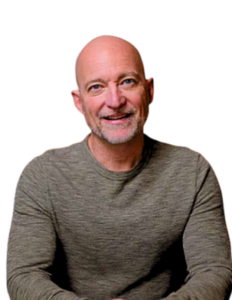
Traditional therapy approaches that rely heavily on conscious insight can miss the profound healing potential that emerges when clinicians learn to work with clients' unconscious resources. Dan Short has spent over three decades mastering the art and science of Ericksonian hypnosis, becoming one of the world's leading authorities on unconscious process work and brief therapeutic interventions.
As Director of the Milton H. Erickson Institute of Phoenix and Executive Director of the Phoenix Institute of Ericksonian Therapy, Dr. Short represents the direct lineage of Milton Erickson's revolutionary approach to psychotherapy. His book Hope and Resiliency, co-authored with Betty Alice Erickson and Roxanna Erickson Klein, has been translated into seven languages and stands as a definitive guide to Ericksonian principles. His extensive research includes over 1,500 hours studying the original Erickson archives, giving him unparalleled insight into the master therapist's methods.
Dr. Short's expertise spans Ericksonian hypnosis, brief therapy, domestic violence treatment, trauma therapy, and couples/family therapy. His approach demonstrates how therapeutic relationships themselves become vehicles for transformation when practitioners learn to engage clients' unconscious wisdom. He specialises in showing clinicians how small shifts in language, timing, and therapeutic presence can create profound changes that bypass conscious resistance and accelerate healing.
What sets his training apart is depth combined with practical application. Short doesn't just teach hypnotic techniques - he shows practitioners how to cultivate the therapeutic artistry that makes Ericksonian approaches so effective. His international teaching at institutes in France, Italy, Spain, Mexico, and Japan gives him cross-cultural insights into how unconscious processes operate across diverse populations.
For your practice, expect to gain specific skills in therapeutic hypnosis, tools for accessing clients' unconscious resources, and frameworks for creating transformational therapeutic relationships. His methods particularly benefit clinicians who want to move beyond symptom-focused approaches to facilitate deeper, more lasting change.
Quick Win: Short's "therapeutic choice architecture" technique helps clinicians structure conversations so clients naturally discover their own solutions - often creating breakthrough insights that traditional directive approaches miss.
Qualifications
- Ph.D., Counseling Psychology, University of Massachusetts Amherst, 2000
- M.A., Counseling, University of North Texas, 1993
- APA-accredited internship, Houston, TX, 1996
- Licensed Clinical Psychologist
- Nearly 30 years of clinical experience
- Over 1,500 hours of research in Milton Erickson archives
Authored Books
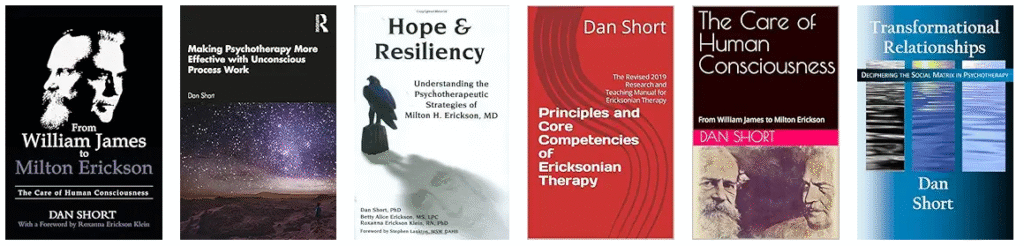
- Making Psychotherapy More Effective with Unconscious Process Work (2020)
- From William James to Milton Erickson: The Care of Human Consciousness (2020)
- Transformational Relationships (2010, Zeig, Tucker & Theisen)
- Hope and Resiliency (2005, co-author with Betty Alice Erickson & Roxanna Erickson Klein, Crown House Publishing, translated into Spanish, French, German, Italian, Japanese, Russian)
Teaching & Roles
- Director, Milton H. Erickson Institute of Phoenix
- Executive Director, Phoenix Institute of Ericksonian Therapy
- Adjunct Faculty, International Society of Hypnosis (ISH) Educational Board
- Clinical Instructor, Southwest College of Naturopathic Medicine
- Visiting Faculty, Various Ericksonian Institutes Worldwide
- Former Associate Director, Milton H. Erickson Foundation
- Former Executive Editor, Milton H. Erickson Foundation Newsletter (5 years)
Professional Practice
- Private Practice Psychologist, Scottsdale, AZ, 2003–present
- Clinical Supervisor, Graduate interns, various programs, ongoing
- Former Graduate Faculty Member, Argosy University
- Consultation groups for professionals, Phoenix metropolitan area
Featured Publications
- Multiple professional articles, book chapters, treatment manuals
- Blog author, Behavior.net
- Collaborative author, SAGE Encyclopedia of Counselling and Theory
- Academic researcher with extensive publications in professional journals
Speaking & Training
- International conference faculty worldwide
- Milton H. Erickson Foundation conference presenter
- Visiting faculty: France, Italy, Spain, Mexico, Japan
- YouTube presentations on Ericksonian therapy
- Global educational workshops and seminars
Ready to unlock your clients' unconscious healing resources? Discover how Dr. Short's Ericksonian methods can transform your therapeutic presence and help clients access profound change through their own innate wisdom.
Feedback & Reviews
This course includes:
- Lessons 5
- Topics 0
- Duration 6 hours
- Quizzes 4
- Language English