

Self-Regulation: Strategies and Interventions for Children


Emotional regulation is not a skill we are born with. Helping children learn to self-regulate is among most important tasks. This online seminar will examine how emotional self-regulation develops and how psychologists, school counsellors, teachers and parents can help children acquire this crucial skill.
A child’s capacity to regulate their emotions affects their long-term mental health, their future relationships, academic performance, and their ability to thrive in a complex world. People who can self-regulate have better attention and problem-solving capabilities. They perform better on tasks involving delayed gratification, inhibition and long-term goals. The effect carries on throughout life. An adult who cannot master emotional regulation enjoys less job satisfaction, mental health or general well-being. Many clinical disorders are closely related to emotional regulation, or rather, the lack of it. Adults who have learned to regulate their emotions in childhood, have a higher distress tolerance and more resilience, and they can better handle life adversity.
This seminar begins with a review of neurobiological processes involved in the development of self-regulation. Further, you will learn how to communicate knowledge of the brain and its role in self-regulation to parents and children in ways that are more easily grasped. You will be able to help them to understand the purpose of various interventions. You will also learn about the vital role parents/caregivers, clinicians and teachers play in co-regulation. Finally, this seminar includes introduction of over 15 practical, age-appropriate (including play-based) interventions that can be used in therapy sessions or in the classroom to help promote development of self-regulation in children and teens.
Learning Objectives:
a). State the areas of the brain which are involved in processes affecting self-regulation.
b). Name at least 3 possible causes for dysregulation in children and teens and corresponding treatment implications, including the importance of co-regulation.
c). Learn and practice at least 3 strategies to promote self-regulation for infants and toddlers.
d). Learn and practice at least 5 strategies to promote self-regulation in preschool age children.
e). Learn and practice at least 5 strategies to promote self-regulation in elementary age children.
f). Learn and practice at least 3 strategies to promote self-regulation in adolescents and teens.
CPD Information For Mental Health Professionals
Enjoy complete flexibility with 100% self-paced learning you can access anytime, anywhere, and on any device. Pay once for lifetime access.
Course Duration: 5.5 learning hours
Certificate and CPD hours: On completion you’ll receive a Certificate of Completion to support your CPD records.
Assessment: Complete a short quiz at the end (80% pass mark), which you can resit as many times as needed.
Lifetime Access: Your access to the course does not expire, so you can revisit key concepts anytime you want a refresher for practice.
CPD Eligibility: This program may be suitable for CPD for professionals such as:
- Psychologists
- Counsellors and Psychotherapists
- Social Workers
- Community Workers
- Mental Health Nurses
- General Practitioners (GPs)
- Occupational Therapists
CPD requirements vary between professional bodies, so please check with your association or credentialing body to confirm you can claim CPD hours/OPD points for this program and what evidence they require.

Course Content
Meet Your Instructor
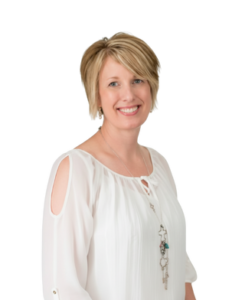
Children struggling with emotional dysregulation, behavioural challenges, and trauma symptoms - and families navigating complex dynamics that traditional therapy approaches haven't resolved - need practitioners who understand how play becomes the language through which healing occurs. Katrina Jones has dedicated over 11 years to mastering the integration of play therapy with family systems work, becoming a recognised expert in helping children develop self-regulation skills while strengthening the family bonds that support their growth.
As Owner of Hope for Healing, LLC in Beloit, Kansas, Jones brings specialised expertise in translating complex therapeutic concepts into playful, engaging interventions that create real change. Her dual credentials as both a Licensed Clinical Marriage & Family Therapist and Registered Play Therapist demonstrate her unique ability to work simultaneously with children's developmental needs and family system dynamics. Her recognition as an international trainer reflects her exceptional skill in teaching other professionals how to use play therapeutically while maintaining strong family connections.
Jones's expertise spans marriage and family therapy, play therapy, self-regulation strategies for children, attachment-based interventions, trauma therapy, anxiety and depression treatment, and behavioural interventions. Her approach recognises that children's symptoms often reflect family system imbalances and that lasting change requires working with both the child's individual needs and the family relationships that shape their world. She specialises in helping children ages 3-12 develop emotional regulation skills, working with families affected by trauma, and providing attachment-based interventions that strengthen parent-child bonds.
What sets her training apart is developmental sensitivity combined with family systems expertise. Jones doesn't just teach play therapy techniques - she shows practitioners how to use play as a bridge between individual healing and family transformation. Her emphasis on communication with parents and inclusion of family sessions demonstrates her understanding that children heal within relationships, not in isolation from them.
For your practice, expect to gain specific play therapy techniques for different developmental stages, tools for integrating family members into treatment, and frameworks for helping children develop self-regulation skills through play-based interventions. Her approach particularly benefits clinicians working with young children, those wanting to integrate play therapy with family work, or practitioners seeking attachment-based treatment strategies.
Quick Win: Jones's "regulation station" play technique helps children quickly identify and practice different self-regulation strategies through engaging play activities - often providing tools they can use at home while building longer-term emotional resilience.
Qualifications
- MS, Marriage and Family Therapy
- BS, Psychology, University of Oregon
- Licensed Clinical Marriage & Family Therapist (LCMFT), Kansas
- Registered Play Therapist (RPT), Association for Play Therapy
- Over 11 years clinical experience across all ages
Professional Experience
- Owner, Hope for Healing, LLC, Private Practice, Beloit, Kansas, current
- Various clinical positions providing therapy to children, adolescents, adults, couples, and families
Training & Teaching
- Professional training workshops on self-regulation strategies and interventions for children
- Educational workshops for clinicians working with children and families
- Specialised training in trauma-informed play therapy techniques
Clinical Specialties
- Play therapy for children ages 3-12
- Self-regulation strategies and interventions for children
- Marriage and family therapy
- Attachment-based interventions and trauma therapy
- Anxiety and depression treatment in children and families
- Behavioral interventions and family systems therapy
- Parent-child relationship strengthening
- Trauma-informed play therapy approaches
- Parent-child relationship concerns and family dynamics
Service Philosophy
- Belief in essential communication with parents/guardians at each session
- Integration of family sessions as part of treatment approach
- Comfortable incorporating faith/Christianity when important to families
- Focus on strengthening family relationships while addressing individual needs
Ready to transform how you work with children and families through the power of play? Discover how Katrina Jones's integrated play therapy and family systems methods can help you create lasting change by honoring both children's developmental needs and the family relationships that support their healing.
Feedback & Reviews
This course includes:
- Lessons 1
- Topics 5
- Duration 5.5 hours
- Quizzes 1
- Language English