
Imago Relationship Therapy – Introduction Series

A couple fights because each of them wants the other to be more like them. Underneath that, on the Imago account, is a need that went unmet a long time before they met, and the only language either of them has for asking is pain. Which means the request never arrives as a request. It arrives as criticism, and it cannot be answered.
The shift Imago asks for is from the individual paradigm to the relational one. What comes to therapy is the relationship, the work happens in the space between two people, and the relationship itself is the agent of change. From there the model treats conflict as an opportunity rather than a problem to be settled, and moves the therapeutic focus off the frustration and onto the underlying need, because that is where the change actually happens. The partner who meets that need has to stretch beyond what they would normally do, and the stretch is what grows them too.
Three hours in three parts, presented by three Imago clinicians. The first is the theory: why couples fight, how partners are selected, symbiosis and self-absorption, and how a small trigger produces a reaction out of all proportion to it. Then a filmed dialogue with a real couple, taking in childhood, present frustration, need, and giving and receiving. Then the three presenters going back through that session and saying what they were watching for and why. They are upfront that they are showing you the end of a process without the many sessions of work that get a couple there.
You’ll walk away with
- The relational paradigm stated clearly enough to be useful even if you never practise Imago, including what changes when the space between two people becomes the treatment target
- Why couples fight, in Imago’s terms: the one-world reality where each partner assumes their own is the real one, and the intolerance of otherness that follows
- The move from frustration to underlying need, and why nothing shifts while the work stays on the frustration
- The stretch: why the partner doing the giving is the one who grows, which changes how you frame a request that one partner is resisting
- Mate selection on this model, both matching internal images formed in childhood and finding the parts of yourself you gave up
- Symbiosis and self-absorption as the mechanism behind disproportionate reactions, with an image for it that clients tend to recognise immediately
- Crossing the bridge into a partner’s world, and what it does for a client to be seen by someone who has genuinely been over there
- A filmed dialogue with a real couple, so you see the structure delivered rather than described
- Three experienced clinicians unpacking that same session afterwards, including what they noticed that a first viewing misses
- A sense of whether this model fits how you want to work with couples, before committing to the full training
Watch the course trailer
CPD Information For Mental Health Professionals
Enjoy complete flexibility with 100% self-paced learning you can access anytime, anywhere, and on any device. This course is included with your Tatra Training membership, along with every other course in the library.
Course Duration: 3 learning hours
Certificate and CPD hours: On completion you’ll receive a Certificate of Completion to support your CPD records. Your certificates are yours to keep.
Assessment: Complete a short quiz at the end (80% pass mark), which you can resit as many times as needed.
Revisit Anytime: Come back to the course as often as you like while your membership is active, whenever you want a refresher for practice.
CPD Eligibility: This program may be suitable for CPD for professionals such as:
- Psychologists
- Counsellors and Psychotherapists
- Social Workers
- Community Workers
- Mental Health Nurses
- General Practitioners (GPs)
- Occupational Therapists
CPD requirements vary between professional bodies, so please check with your association or credentialing body to confirm you can claim CPD hours/OPD points for this program and what evidence they require.
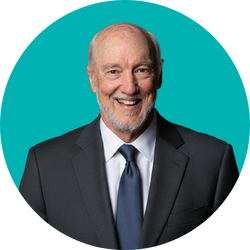
Gene Shelley
Gene is a Mental Health Counsellor and a psychotherapist. He is an affiliate member of the American Association of Marriage and Family Therapists, USA. He was a former member of the teaching and supervising faculty of the Blanton-Peale Graduate Institute, a psychoanalytically oriented residency training program.
Gene is also an Imago Clinician, Clinical Instructor and Workshop presenter. He runs the Getting the Love You Want workshop and the Imago Clinical Training for therapists. In addition, he runs individual and group consultations to support Imago therapists.
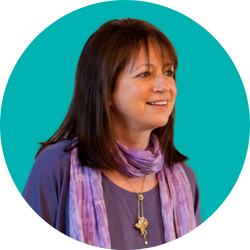
Dr Nedra Fetterman
Nedra is a psychologist and Director of the Relationship Centre in Ardmore, PA, USA. She brings over 16 years of experience in working with couples, families and organizations and is a senior therapist at The Centre for Psychological Services and a clinical consultant to Corporate Initiatives. While she is known for her gentle, healing touch, she is a powerful presence in her workshops and her trainings. As a coach and mentor, she is committed to producing results which often means assisting clients transcend their self-imposed limitations and to get on with the adventure of their lives. Nedra is passionate about rekindling her client’s aliveness and increasing their sense of wonder and possibility.
Nedra is a unique member of this training team and her work inspires transformational work in others. In both her workshops and trainings, participants speak openly about the vulnerabilities and strengths that took them from a place of distance and injury to a place of connection and healing.
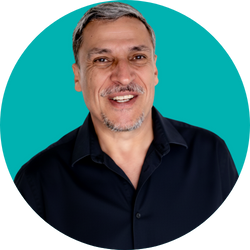
Kobus van der Merwe
Kobus van der Merwe is a faculty member of Imago International Training Institute and has been training clinicians in Imago Relationship Therapy (Clinical Training) and other professionals in the Imago Relationship Theory (Imago Professional Facilitator Training) since 1998.
He was a winner of the Harville Hendrix Award for Clinical Excellence in 2016 and is currently a Professor of Imago Studies at Daybreak University, California USA.
Kobus is a remarkable teacher and couples’ therapist who seamlessly weaves theory and Imago relationship constructs into his practice and supervision with students. He has made a significant contribution to the development of Imago globally and particularly in South Africa. He is a second-generation Imago practitioner as both his parents practice Imago.
Course Content
Meet Your Instructor

Couples in crisis - specially those devastated by infidelity, betrayal, or deep emotional disconnection - can need more than traditional therapy approaches to heal their relationships at the deepest levels. Gene Shelley has spent over 25 years mastering Imago Relationship Therapy, becoming one of the world's leading trainers in this transformative approach that helps couples move beyond blame to genuine healing and renewed intimacy.
As a Board Member and former Chair of Imago Relationships International and Certified Clinical Instructor, Shelley represents the senior leadership of this internationally recognised couples therapy model. His unique background combines pastoral counseling training from the Blanton-Peale Graduate Institute with advanced Imago certification, giving him rare insight into both the spiritual and psychological dimensions of relationship healing. His recognition as a Fellow of the American Association of Pastoral Counselors reflects his expertise in addressing the deeper moral and spiritual wounds that often underlie relationship crises.
Shelley's expertise spans Imago Relationship Therapy, couples therapy, pastoral counseling, infidelity recovery, and clinical training. His approach helps couples understand how their childhood wounds create unconscious patterns that either heal or harm their adult relationships. He specialises in cases where traditional couples therapy has failed, where betrayal has shattered trust, or where partners need to rebuild their relationship on entirely new foundations. His pastoral background gives him particular skill in helping couples navigate the moral complexity of forgiveness and redemption.
What sets his training apart is depth combined with practical application. Shelley doesn't just teach Imago techniques - he shows therapists how to create the sacred space where couples can do their deepest healing work. His experience training other professionals at the Blanton-Peale Graduate Institute and certifying Imago therapists internationally gives him exceptional skill in teaching complex therapeutic concepts.
For your practice, expect to gain specific Imago dialogue techniques, tools for helping couples heal from infidelity, and frameworks for transforming relationship wounds into growth opportunities. His approach particularly benefits clinicians working with high-conflict couples, those recovering from betrayal, or practitioners who want to integrate spiritual dimensions into couples work.
Quick Win: Shelley's "reframing infidelity" approach helps therapists move couples beyond blame and shame to understanding betrayal as a symptom of deeper relational wounds - often shifting the entire therapeutic dynamic from accusation to healing in the first session.
Qualifications
- M.Div., New Brunswick Theological Seminary
- Certificate, Pastoral Psychotherapy, Blanton-Peale Graduate Institute (3-year psychoanalytic oriented intensive program)
- Certificate, Imago Relationship Therapy
- Licensed Mental Health Counselor
- Fellow, American Association of Pastoral Counselors
- Certified Imago Relationship Therapist
- Certified Imago Clinical Instructor
- Certified to present "Getting the Love You Want" workshops
- Certified to train others in Basic Clinical Training Program of Imago Therapy
Leadership & Roles
- Board Member, Imago Relationships International, Inc., current
- Past-Chair, Board of Directors, Imago Relationships International, Inc.
- Clinical Instructor, Imago Relationships International, current
- Workshop Presenter, Imago Relationships International, current
- International Trainer, TATRA (Australia), current
- Pastoral Counselor & Imago Therapist, Private Practice, current
Teaching & Training Experience
- Teaching and Supervising Faculty, Blanton-Peale Graduate Institute, 1986–1999
- 25+ years as Certified Imago Relationship Therapist
- Clinical supervision and consultation for Imago therapists
- International Imago training presentations
Professional Affiliations
- Fellow, American Association of Pastoral Counselors
- Affiliate Member, American Association of Marriage and Family Therapy
- Clinical Member, Imago Relationships International
Specialised Expertise
- Imago Relationship Therapy techniques and training
- Infidelity and betrayal recovery
- Pastoral counseling integration with couples therapy
- "Getting the Love You Want" workshop facilitation
- Clinical supervision and professional development
- Healing relationship trauma through conscious partnership
Ready to help couples transform their deepest wounds into their greatest strengths? Discover how Gene Shelley's Imago-based methods can help you guide couples from crisis to conscious, healing relationships that last.
Feedback & Reviews
This course includes:
- Lessons 4
- Topics 0
- Duration 3 hours
- Quizzes 1
- Language English