

Overcoming Worry and Anxiety in Chaos and Uncertainty


Kershaw and Wade have written two books together. *Brain Change Therapy*, published by W.W. Norton, is the clinical one. *The Worry-Free Mind* is the version for the general reader, about using neuroscience to break out of rumination and worry. This course is the second book handed back to the clinician: the same material, taught as something you do with a client rather than something a reader does alone.
Their starting point is that disruption is not only a problem. When the usual way of moving through the world stops working, a person is forced into changes they would not otherwise make, and that is a clinical opening as well as a source of distress. The course is built around what to do with that opening.
Six hours, grounded in the research they ran themselves. For twenty-five years they operated a neurofeedback and biofeedback clinic alongside their psychotherapy practice, working with a consulting neurologist on EEG brain maps, and they could see anxiety, depression, tension and physical pain appearing in the trace. That work is the basis for the brainwave material here, including which states are associated with resilience and how to get a client into them. They cover their RESET model, state work for shifting out of worry quickly, and future pacing, where a client rehearses the version of themselves they are working toward.
You’ll walk away with
- The RESET model for producing change that holds rather than change that fades
- Specific brainwave states associated with resilience, from clinicians who spent decades measuring them
- Techniques for shifting a client out of a settled state of worry quickly
- How internal states affect physiology, and what that means for a client who cannot think their way out
- Reconditioning toward a different baseline rather than managing episodes as they arrive
- Working with brain chemistry to help a client access and hold positive states
- Triggering the resilient part of a client, and how resilience is actually acquired
- Deep state work to interrupt rumination
- Helping a client change emotional channels, and building rituals that hold through a crisis
- Flow states, and extending the time a client spends in them
- Future pacing a client’s best possible self, and its part in producing change
- Assessing what emotional resources a client already has to work with
Watch the course trailer
CPD Information For Mental Health Professionals
Enjoy complete flexibility with 100% self-paced learning you can access anytime, anywhere, and on any device. This course is included with your Tatra Training membership, along with every other course in the library.
Where this sits: this course focuses on worry and anxiety and follows their book The Worry-Free Mind. A companion course covers their brain-training approach across depression, stress and low mood more broadly.
Course Duration: 6 learning hours
Certificate and CPD hours: On completion you’ll receive a Certificate of Completion to support your CPD records. Your certificates are yours to keep.
Assessment: Complete a short quiz at the end (80% pass mark), which you can resit as many times as needed.
Revisit Anytime: Come back to the course as often as you like while your membership is active, whenever you want a refresher for practice.
CPD Eligibility: This program may be suitable for CPD for professionals such as:
- Psychologists
- Counsellors and Psychotherapists
- Social Workers
- Community Workers
- Mental Health Nurses
- General Practitioners (GPs)
- Occupational Therapists
CPD requirements vary between professional bodies, so please check with your association or credentialing body to confirm you can claim CPD hours/OPD points for this program and what evidence they require.
Course Content
Meet Your Instructors

Stress, anxiety, and trauma that overwhelm traditional talk therapy approaches often respond dramatically to brain-based interventions that tap into the mind's natural healing capabilities. Carol Kershaw has spent over four decades perfecting this integration, becoming an international authority on the neuroscience of therapeutic change.
As Co-Director of the Milton H. Erickson Institute of Houston since 1983, Dr. Kershaw has trained thousands of clinicians worldwide in combining clinical hypnosis, neurofeedback, and evidence-based psychotherapy. Her three books - including Brain Change Therapy: Clinical Interventions for Self-Transformation (W.W. Norton) and The Worry-Free Mind (Career Press) - translate complex neuroscience into practical clinical tools. Recognition as both a Fellow in EEG Biofeedback and Approved Consultant for the American Society of Clinical Hypnosis reflects her mastery of brain-based therapeutic approaches.
Dr. Kershaw's expertise spans clinical hypnosis, neurofeedback, trauma resolution, couples therapy, and peak performance coaching. Her approach combines Milton Erickson's naturalistic hypnosis methods with cutting-edge neuroscience research, showing clinicians how to activate clients' innate capacity for change at the neurological level. She has presented her work internationally - from NASA to medical teams in Saudi Arabia - and regularly teaches at Evolution of Psychotherapy conferences, Erickson Congresses, and major professional meetings.
What sets her training apart is the seamless integration of science and artistry. Kershaw doesn't just teach hypnosis techniques or neurofeedback protocols in isolation - she shows practitioners how to weave together multiple modalities to create powerful therapeutic experiences. Her methods help clinicians move beyond symptom management to facilitate genuine neuroplastic change.
For your practice, expect to gain specific skills in clinical hypnosis for trauma and anxiety, practical neurofeedback applications, and brain-based interventions that accelerate therapeutic progress. Her approach particularly benefits clinicians working with clients who haven't responded well to traditional therapy or who need rapid symptom relief.
Quick Win: Kershaw's "brain change breathing" technique teaches clients to shift from sympathetic to parasympathetic nervous system activation in minutes - a foundational skill that enhances every subsequent therapeutic intervention.
Qualifications
- Ed.D., Counseling and Psychology, Texas A&M University-Commerce (now East Texas A&M University), 1979
- M.Ed., Counseling, University of North Texas, 1976
- M.S., Speech Communication, University of North Texas, 1971
- B.S., Secondary Education, University of Texas at Austin, 1969
- Licensed Psychologist, Texas no(#22130), 1981
- Fellow, Board Certified in EEG Biofeedback (BCIA)
- Approved Consultant, American Society of Clinical Hypnosis
- Approved Supervisor, American Association for Marriage and Family Therapy
Selected Books
- The Worry-Free Mind: Train Your Brain, Calm the Stress Spin Cycle, and Discover a Happier, More Productive You (2017, co-author with Bill Wade)
- Brain Change Therapy: Clinical Interventions for Self-Transformation (2012, co-author with Bill Wade, W.W. Norton)
- The Couple's Hypnotic Dance (author)
Teaching & Roles
- Co-Director, Milton H. Erickson Institute of Houston, 1983 - present
- Consulting Psychologist, Brain Change International, 2016 - present
- Psychologist, Institute for Family Psychology, 1983 - present
- International workshop presenter, 2006 - present
Featured & Recognition
- Invited speaker for NASA
- Featured on MindMovies Inspiration Show (2024)
- Invited author, Family Therapy Magazine
- Faculty, Milton Erickson International Congresses (2004, 2007, 2010, 2013, 2016, 2019)
- International presentations: Saudi Arabia, Chile, Mexico, Spain, Canada, Italy, Australia
- Workshop presenter, Esalen Institute
Ready to harness your clients' neuroplastic potential for lasting change? Discover how Dr. Kershaw's brain-based methods can transform your therapeutic effectiveness and accelerate client breakthroughs.
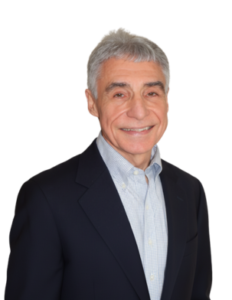
When clients feel trapped in cycles of anxiety, trauma, or depression, small shifts in brain and body can open the way to real change. Bill Wade helps clinicians use clinical hypnosis, neuroscience, and meditation-informed approaches to create those shifts safely and effectively in everyday practice.
Dr Wade is a psychotherapist and international trainer known for integrating the neuroscience of psychotherapy with practical hypnosis skills. He is co-director of the Milton Erickson Institute of Houston and practices in Houston, Texas, where he works with individuals and couples on anxiety, depression, panic, trauma, relationship enhancement, divorce recovery, parenting, and peak performance. Trained in psychiatry and religion at Union Theological Seminary in New York City, he brings a thoughtful, mind-body-spirit perspective to his clinical and teaching work.
Clinically, Dr Wade focuses on how targeted hypnotic interventions and experiential methods can help clients regulate arousal, shift rigid patterns, and build new responses. His work draws on current understandings of the brain in psychotherapy while staying grounded in what actually helps clients feel and function better. In his Houston practice and training roles, he uses hypnosis, meditation, and brief, focused strategies to address anxiety, depression, panic disorder, trauma and post-traumatic stress, and relational distress. He also works with couples and families to improve communication, rebuild trust, and support healthier patterns after rupture or divorce.
Dr Wade has presented workshops throughout the United States and internationally on clinical hypnosis, meditation, overcoming anxiety and depression, panic disorder, relationship enhancement, divorce recovery, parenting, and peak performance. He is a regular faculty member for Milton H. Erickson Foundation events, including Erickson Congresses and specialty panels such as “Meditation and Hypnosis.” He also teaches experiential courses on hypnosis for trauma and post-traumatic stress, and has offered trainings on hypnosis and mood and anxiety difficulties.
For your practice, Dr Wade’s teaching is highly applied. Clinicians learn concrete hypnotic language, ways to weave meditation and focused attention into sessions, and strategies to calm the “stress spin cycle” that keeps clients stuck in worry and reactivity. His work is designed to help you strengthen your clients’ self-regulation, deepen their access to internal resources, and support lasting self-directed change.
A key theme in his writing and teaching is that when clients understand how their brains and minds work, they can become active partners in change rather than passive recipients of treatment. His co-authored books, Brain Change Therapy: Clinical Interventions for Self-Transformation and The Worry-Free Mind: Train Your Brain, Calm the Stress Spin Cycle, and Discover a Happier, More Productive You, translate neuroscience and hypnosis into step-by-step clinical applications.
Qualifications
- Master of Divinity (MDiv), Psychiatry and Religion; Union Theological Seminary, New York City, USA; year unverified
- Doctor of Philosophy (PhD); field, institution, and year unverified
- Licensed Professional Counselor (LPC); Texas, USA
- Licensed Marriage and Family Therapist (LMFT); Texas, USA
- Clinical Member and Approved Supervisor, American Association for Marriage and Family Therapy (AAMFT)
- Member and Approved Consultant, American Society of Clinical Hypnosis
- Member, International Society of Hypnosis and American Counseling Association
Selected Books
- Brain Change Therapy: Clinical Interventions for Self-Transformation (2012); Co-author; W.W. Norton & Company
- The Worry-Free Mind: Train Your Brain, Calm the Stress Spin Cycle, and Discover a Happier, More Productive You (2017); Co-author; Career Press
Teaching & Roles
- Co-Director, Milton Erickson Institute of Houston; Houston, Texas, USA
- Psychotherapist, Institute for Family Psychology; Houston, Texas, USA
- International trainer in neuroscience of psychotherapy and clinical hypnosis; workshops throughout the United States and abroad
- Former review editor, Milton Erickson Foundation Newsletter; Phoenix, Arizona, USA
Consider joining Dr Wade’s course if you want clinically grounded, neuroscience-informed hypnosis tools you can use immediately to help clients calm distress, process trauma, and build more flexible, resilient lives.
Feedback & Reviews
This course includes:
- Lessons 2
- Topics 7
- Duration 6 hours
- Quizzes 6
- Language English